Foundation Settlement and How Repairs Restore Stability
Homeowners seeking foundation settlement repair aim to restore stability, and local contractors can assess and perform effective solutions to fix shifting or sinking foundations.
Understanding foundation settlement and how repairs restore stability is essential for property owners facing uneven floors, cracked walls, or shifting structures. If these issues sound familiar, it’s natural to want solutions that can help preserve the safety and value of a home or business. Local contractors experienced in foundation repair can assess the situation, identify underlying causes, and recommend practical steps to reinforce and stabilize the foundation, helping to prevent further damage.
For property owners in the area, exploring foundation settlement and repair options can be a proactive way to protect investments and maintain structural integrity. Repair methods often involve techniques that restore balance and support, addressing the root of settlement problems. Connecting with trusted local service providers ensures that the work is handled efficiently and effectively, giving peace of mind that the foundation’s stability is being carefully managed. Keep reading to learn more about how foundation repairs can help restore stability and safeguard your property.
- Foundation settlement repair services are often needed when homeowners notice uneven floors or cracks in walls, and local contractors assess the underlying causes to provide effective stabilization solutions. Soil stabilization and underpinning are common approaches used by service providers to restore foundation stability and prevent further shifting. Pier and beam adjustments are performed when structural movement threatens the integrity of a building’s foundation, helping to level and secure the structure. Local pros typically evaluate the extent of settlement and recommend tailored repair methods to reinforce the foundation’s support system. These services aim to restore safety and stability to properties experiencing foundation settlement issues.
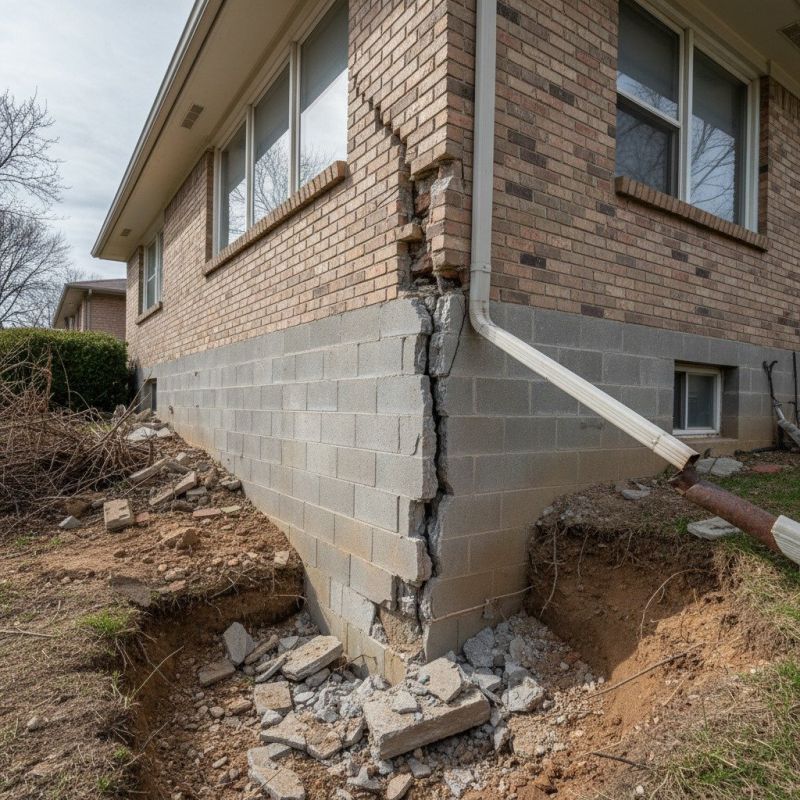
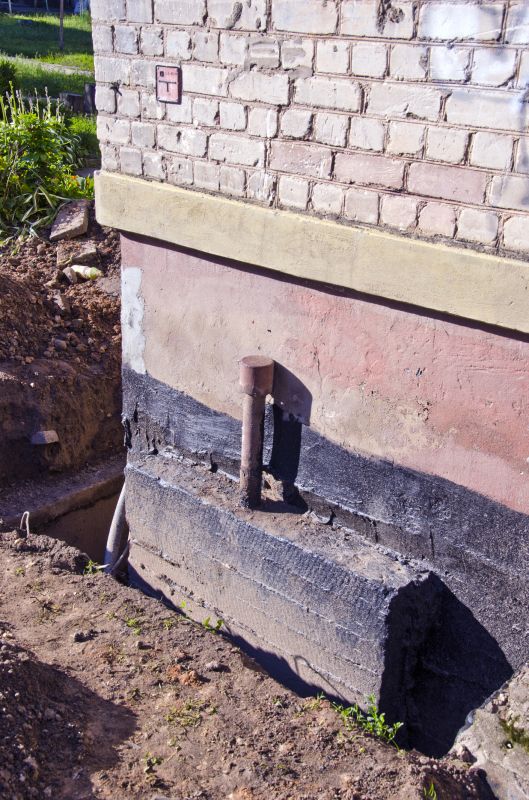
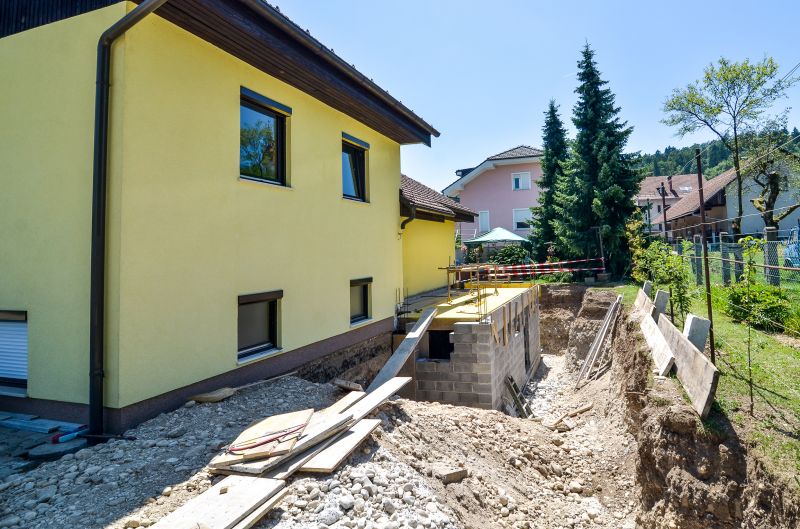
When homeowners search for information about foundation settlement and how repairs restore stability, they are often concerned about issues like uneven floors, visible cracks in walls or ceilings, and doors or windows that no longer open properly. These signs typically indicate that the foundation has shifted or settled over time, which can compromise the structural integrity of a property. People looking into this topic want to understand what causes foundation settlement, how it affects their home’s safety and value, and what solutions are available to address the problem. Recognizing these signs early can help prevent more extensive damage and costly repairs down the line, making it a priority for many homeowners experiencing these issues.
Foundation settlement is usually related to changes in soil conditions beneath a property. Factors such as soil shrinkage, expansive clay, poor drainage, or changes in moisture levels can lead to uneven settling of the foundation. When a foundation begins to sink or shift, it can cause cracks in walls, uneven flooring, and misaligned doors or windows. Repair plans often involve stabilizing the foundation through various methods, such as underpinning or piering, which help lift and support the structure. These repairs are designed to restore the foundation’s original position, preventing further movement and safeguarding the home’s overall stability. Local contractors specializing in foundation repair can assess the specific causes and recommend the most effective solutions for each property.
The types of properties that typically experience foundation settlement include residential homes, especially those built on expansive soils or in areas with shifting ground. Single-family houses, townhomes, and even some multi-unit residential buildings are susceptible to foundation issues if the soil beneath them is prone to movement. Commercial properties and small apartment complexes can also encounter settlement problems, particularly if they are located in regions with high moisture variability or poor soil conditions. Understanding the property type and soil environment helps local service providers determine the most suitable repair approach. These professionals often have experience working with different property styles and can tailor solutions to restore stability effectively.
Foundation settlement repair involves methods that re-establish the proper alignment and support of the building’s foundation. Techniques such as installing piers or underpinning systems are common, where supports are driven deep into stable soil or bedrock to lift and stabilize the foundation. These repairs not only address existing cracks and unevenness but also help prevent future settlement by reinforcing the ground beneath the structure. Local pros experienced in foundation repair can evaluate the extent of the settlement, recommend appropriate solutions, and implement them to restore the home’s stability. Properly executed repairs can help protect the property’s value, improve safety, and ensure the long-term durability of the building.
Soil Stabilization Projects - these projects involve improving ground conditions to prevent future foundation settlement, utilizing similar planning and ground assessment skills as foundation repair services.
Pier and Beam Foundation Repairs - repairing or reinforcing pier and beam systems requires understanding of soil movement and structural support, aligning with foundation stabilization techniques.
Basement Wall Reinforcement - addressing bowing or cracking basement walls involves similar assessment and repair methods used to restore foundation stability.
Retaining Wall Construction - building retaining walls to manage soil pressure shares planning and excavation skills with foundation repair projects.
Structural Reinforcement Services - strengthening existing structures to prevent shifting or settling involves similar load assessment and support strategies as foundation stabilization.
Slope Stabilization Projects - stabilizing slopes to prevent soil movement mirrors the soil management techniques used in foundation settlement repairs.
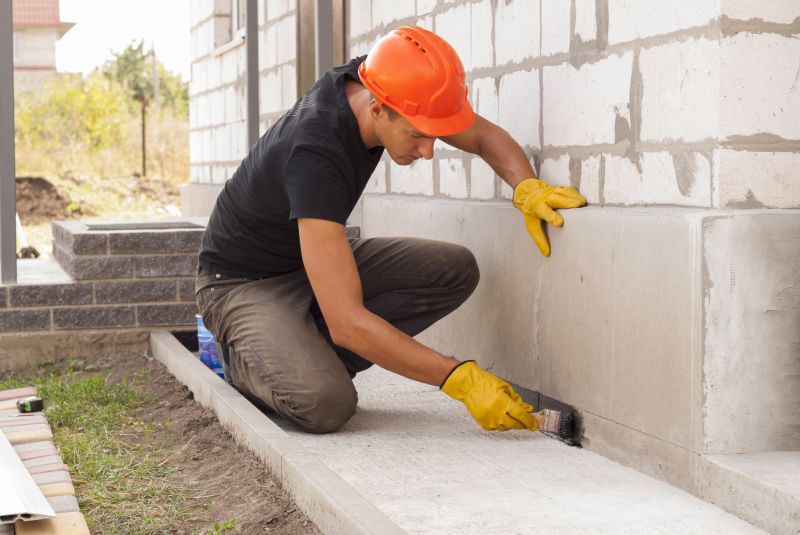
When evaluating service providers for foundation settlement repair, experience with similar projects is a key factor. Homeowners should seek out local contractors who have a proven track record in addressing foundation issues comparable to their own. This experience often translates into a better understanding of common challenges, effective repair techniques, and the ability to anticipate potential complications. A contractor’s familiarity with the specific soil conditions and foundation types in the area can contribute to a more reliable and lasting solution, helping restore stability to the home.
Clear, written expectations are essential when comparing foundation repair services. Homeowners are encouraged to request detailed descriptions of the repair process, including the methods to be used, the scope of work, and the anticipated outcomes. This transparency helps ensure that everyone is aligned on what the project entails and reduces the likelihood of misunderstandings. Reputable service providers typically provide comprehensive written estimates and scope of work documents, enabling homeowners to make informed decisions and compare options effectively.
Good communication and reputable references are vital indicators of a reliable foundation repair contractor. Homeowners should inquire about references from previous clients who had similar work done and seek feedback on the contractor’s professionalism, reliability, and quality of work. Open lines of communication throughout the project allow homeowners to stay informed about progress and address concerns promptly. Choosing a local contractor known for clear communication and positive references can help ensure the repair process proceeds smoothly and results in a stable, secure foundation.
Property owners often search for foundation settlement and how repairs restore stability when they are planning practical projects around their homes and businesses. Local pros provide Foundation Settlement Repair services for everyday jobs and straightforward project options.
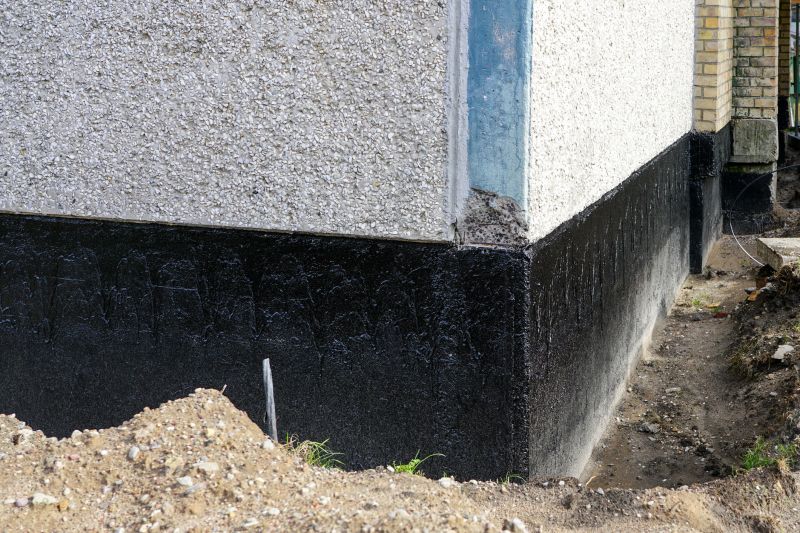
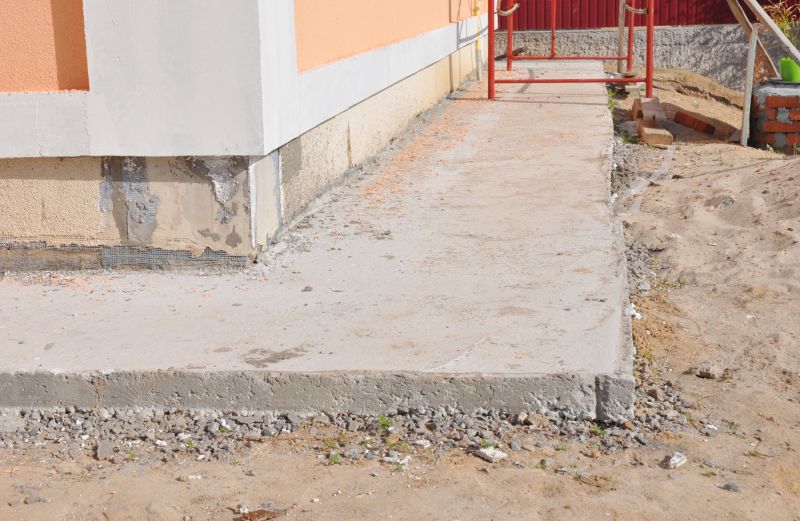
Foundation settlement can often become noticeable through uneven floors, cracked walls, or doors that no longer close properly. Property owners in the area might notice these signs after seasonal changes or shifts in the soil beneath their homes. When these issues arise, many turn to local contractors who specialize in foundation repair services to assess the situation and recommend effective solutions. Repair methods such as underpinning or slab jacking are commonly used to restore stability and prevent further damage, helping homeowners maintain the safety and value of their properties.
Understanding how repairs restore stability is essential for property owners facing foundation settlement concerns. Local service providers can evaluate the extent of the settlement and determine the appropriate repair approach. By addressing issues early, these professionals help reinforce the foundation, reduce the risk of future problems, and improve the overall structural integrity of the building. Property owners seeking reliable foundation repair services often find that local contractors have the experience and tools necessary to restore stability and safeguard their homes.
What causes foundation settlement? Foundation settlement typically occurs when the soil beneath a foundation shifts or compresses, often due to soil moisture changes, poor compaction, or natural settling over time. Local contractors can assess the underlying causes to determine appropriate repair methods.
How do foundation repairs restore stability? Foundation repairs address issues like shifting or sinking by installing supports, piers, or underpinning systems that transfer the load to more stable soil, helping to restore the foundation’s stability and prevent further movement.
What signs indicate foundation settlement? Common signs include uneven floors, cracked walls, sticking doors or windows, and visible cracks in the foundation or exterior walls. Local service providers can evaluate these symptoms to confirm settlement issues.
Can foundation settlement be fully repaired? While some settlement issues can be corrected effectively, the success depends on the severity and cause of the settlement. Experienced contractors can recommend suitable repair options to improve stability.
What repair methods are used to fix foundation settlement? Repair methods may include underpinning, pier installation, or slab stabilization, all designed to lift and stabilize the foundation by transferring loads to more supportive soil layers. Local pros can determine the most appropriate approach based on the specific situation.
Assessing foundation issues - Property owners can work with local contractors to evaluate signs of settlement and determine if repairs are needed to restore stability.
Selecting repair methods - Homeowners can explore different foundation repair options with local service providers to find solutions suited to their specific situation.
Planning repair projects - Planning a foundation stabilization project involves coordinating with local pros to develop a practical approach for addressing settlement concerns.
Ensuring long-term stability - Regular inspections and maintenance, guided by local contractors, can help ensure that foundation repairs continue to support the property's stability over time.
If you are thinking about foundation settlement and how repairs restore stability for a property, this guide is meant to help you understand this topic, the typical project types, and how different options might fit your plans.
When you are ready, you can use the quote form on this page to share a few details about your project. From there, local pros can review the basics and follow up with options that match what you have in mind.